Find Accredited CNA Training Programs Near You
Pick your state to see its approved CNA programs, training hours, exam fees, and what nursing assistants earn there.

What Is a CNA?
A Certified Nursing Assistant (CNA) gives hands-on, everyday care to patients and residents under the direction of nurses. Most work in nursing homes and hospitals, and others work in assisted living and home health. Some states use a different title, such as Licensed Nursing Assistant (LNA) in New Hampshire or State Tested Nursing Assistant (STNA) in Ohio.
Patient Monitoring
Taking and recording vital signs like blood pressure and pulse, and reporting changes to the nurse.
Daily Living Support
Helping with bathing, dressing, eating, and toileting while protecting each person's dignity.
Mobility Assistance
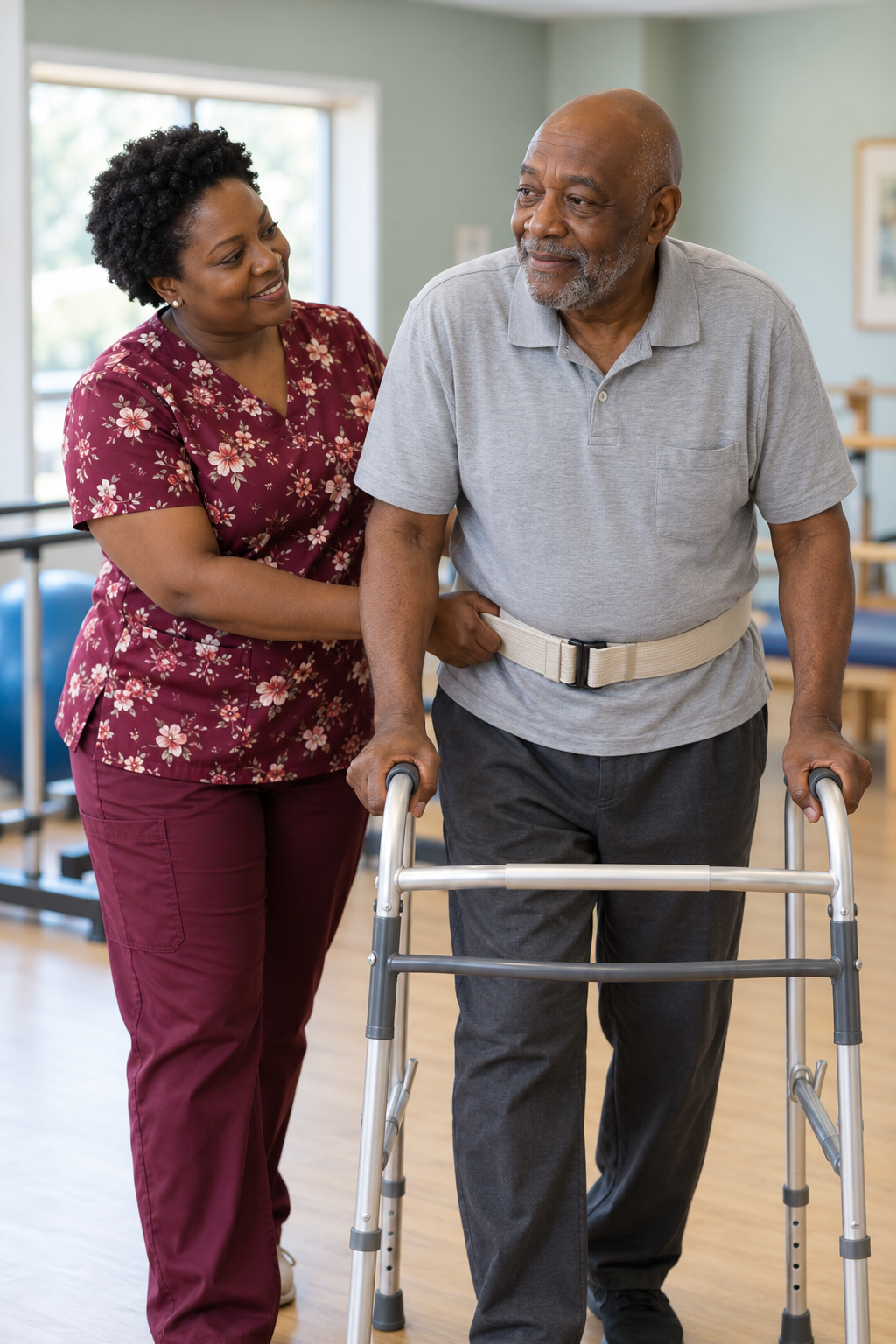
Helping patients walk, turn in bed, and move safely between beds, chairs, and wheelchairs.
How to Become a CNA in 2026
The path is the same three steps in every state. The hours, fees, and exam company change from state to state, so check your state's page for the details.
Finish a State-Approved Program
Federal rules require at least 75 hours of training, including at least 16 hours of supervised hands-on practice. Many states require more. Missouri, for example, requires 175 hours.
Pass the Competency Exam
The exam has two parts: a written (or oral) knowledge test and a hands-on skills test in front of an evaluator. Depending on your state, it is run by Prometric, Credentia, Headmaster, or another testing company.
Get Listed on the Registry
After you pass, your name goes on your state's Nurse Aide Registry. You must be on the registry to work as a nursing assistant in a nursing home. You can also work in hospitals, assisted living, and home health.
Browse CNA Training by State
Each state page lists approved programs, the required training hours, exam fees, registry contacts, and local pay.
No state matches that search.

Qualifications and Skills
Requirements are set by each state and each training program. These are the ones you will see most often.
- Minimum ageUsually 16 to 18, depending on the state and the program.
- Background checkMost states and employers run a criminal background check. Certain convictions, such as abuse or neglect, can keep you off the registry.
- Health screeningMany programs ask for a TB test, proof of immunizations, or a basic physical before clinical training starts.
- EducationSome programs ask for a high school diploma or GED, and some only require a reading test. Check with the program.
Skills that help you succeed
CNA work is physically active. You will be on your feet for most of your shift and will help lift, turn, and move patients.
A Career With Steady Demand
Nursing homes, hospitals, and home health agencies hire nursing assistants in every state. Most openings come from workers who move into other jobs, like nursing, or retire.
Source: U.S. Bureau of Labor Statistics, Occupational Outlook Handbook and Occupational Employment and Wage Statistics (May 2025). See CNA pay by state.
The Path to Nursing
Many nurses start as CNAs. Working as a CNA gives you hands-on patient experience, and some nursing programs prefer or require it.
CNA
Entry level. Training takes weeks, not years.
LPN (Licensed Practical Nurse)
About 1 year of additional schooling.
RN (Registered Nurse)
An associate's or bachelor's degree, about 2 to 4 years.
Essential Career Resources
Everything you need beyond the classroom.
CNA Salary by State
Median hourly and yearly pay for every state, from the latest federal wage survey.
View pay rates →CNA Exams
Find out which company runs your state's exam and what each part covers.
See exam guide →Free CNA Courses
Programs that cover tuition, often in exchange for working at the sponsoring facility.
Find free classes →CNA Classes Online
Hybrid programs with online coursework. Clinical hours are still done in person.
Compare online options →Top 10 CNA Skills
The hands-on skills every nursing assistant should master.
Review the skills →